
Food Disputes
Diary of Anne FrankThis flow traces how repeated disagreements over meals and supplies expose mistrust and reshape relationships among the residents.
increasing Bearing strength in each event
 decreasing
Bearing strength in each eventdecreasingUnequal Expectations
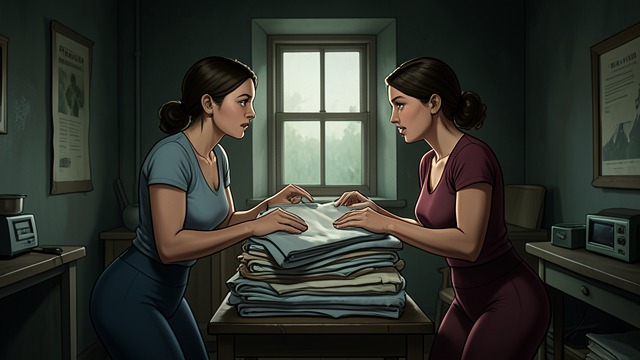
Small Disputes, Larger Meanings
Domestic grievances
Anne recorded disputes about linens, dishes, and food between the Frank and Van Pels households. Everyday objects took on heightened importance because residents had few possessions and little privacy.
Tension accumulates
The arguments revealed different expectations about sharing and responsibility. In confined quarters, minor irritations could become evidence each side used to judge the other.
Vegetables at the Table
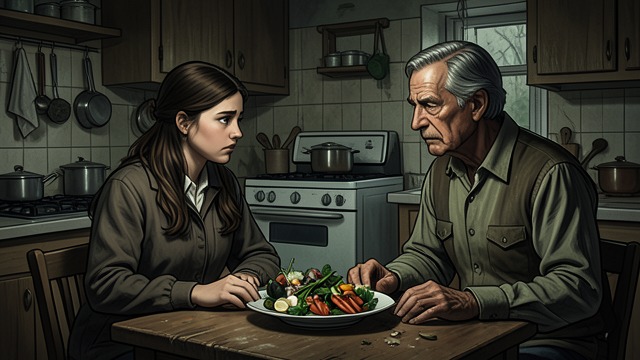
Anne Resists Pressure
A clash over eating
When Auguste van Pels pressed Anne to eat vegetables she disliked, Anne refused and her father supported her choice. The exchange became another occasion for criticism of Anne’s upbringing.
A young person’s claim
Anne treated the dispute as a question of being taken seriously, not merely of taste. Food rules became one arena where adults tried to define her behavior and she defended her independence.
Meat and Money
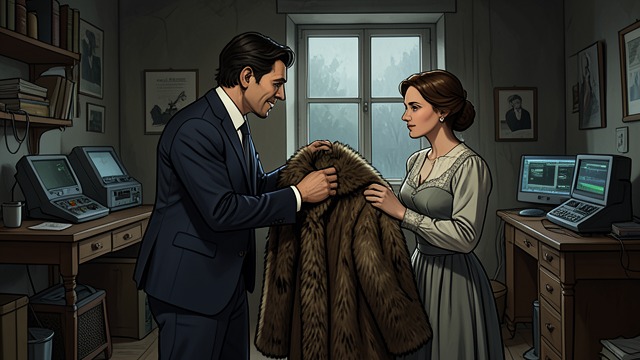
Scarcity Divides the Household
A financial crisis
When the Van Pels family ran short of money, they considered selling belongings. Disputes over the fur coat and household expenses created intense arguments between Auguste and Hermann van Pels.
Everyone feels the strain
The Frank family listened anxiously as the quarrel escalated. Financial insecurity, difficult to address openly, spread tension across the entire shared household.
Separate Potato Portions
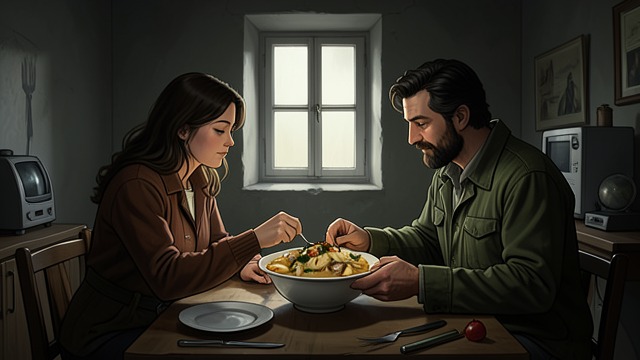
Rations Become Divisions
A meal is apportioned
Disagreement about saving fried potatoes led residents to divide portions more explicitly. Earlier divisions over meat, fats, soup, and extras had already made household sharing increasingly formal.
Community under pressure
The system offered an appearance of fairness but also recorded the household’s mistrust. Each new division showed how scarcity had changed a shared refuge into competing claims.
The Hunger of 1944
Shortage Becomes Routine
Deteriorating meals
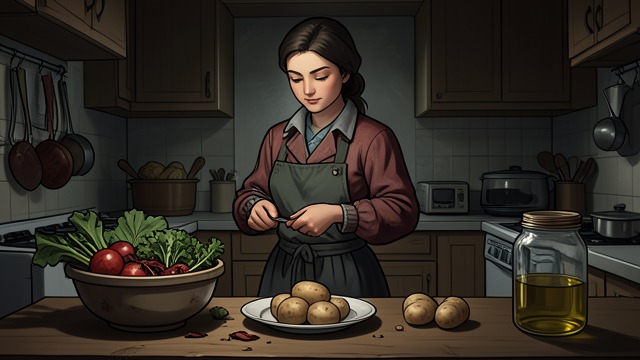
Anne described rotten vegetables, potatoes, and a lack of fats and oils. The residents depended on limited ration books and what their helpers could obtain.
More than a menu
Hunger intensified exhaustion and made people more irritable. Anne could still joke about food, but her accounts also show how shortage narrowed both physical comfort and emotional patience.
September 1942
September 1942
October 1943
Late 1943
March–June 1944
